Two roads, two sets of books
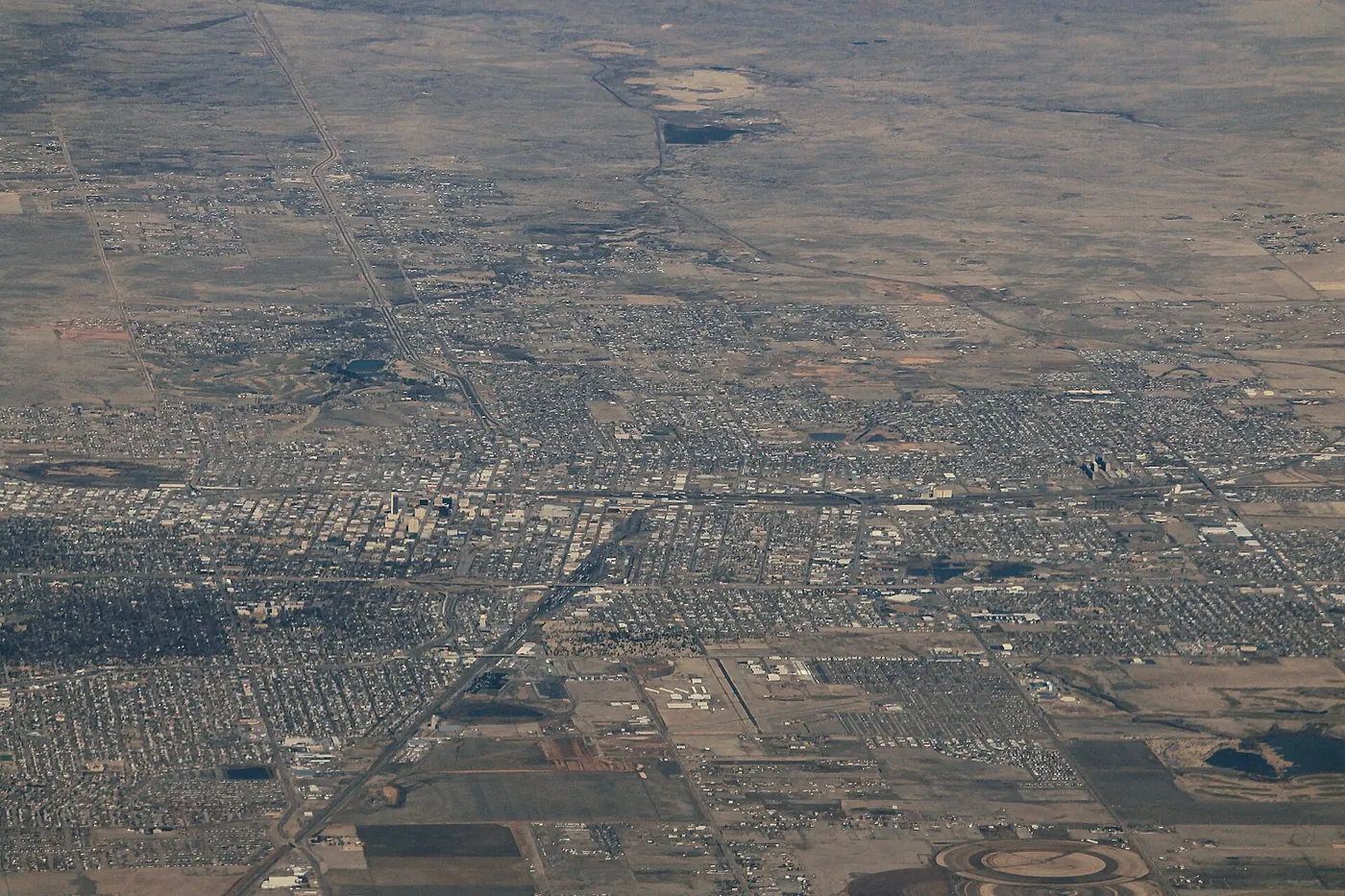
Amarillo sits on Interstate 40 and Interstate 27. That crossing is a logistics fact, and it is also a picture of two companies that share a town and must not share a balance. We do not claim a warehouse at the interchange. We do claim that two files are kinder than one blended login.
The trouble starts small. A card in a pocket pays for both companies. A transfer covers payroll at the shop and never gets recorded at the ranch. By March the profit of one company is partly the cash of the other, and nobody can say which.
We open a file for each company. Bills go where the work happened. Money that moved between them becomes a due-to and a due-from, the same amount on both sides, in the same month. If the two sides do not match, the month stays open and we show you the gap.
One password for both companies is convenient on a Tuesday and expensive in April. The user who types can be different from the user who pays. We set the second user when we start, with access to see and enter, and without the right to send money. When the catch-up ends, that user can be removed the same day.
If you truly have one company, ignore the second file. The close is the same work on a single set of books. If a lender or a buyer has started asking which entity owns the equipment, that question is a sign the split is already late, and the read of the file will show how late.
Tell us both names in the note if both exist. A close that finishes one company and shrugs at the other is not a close. It is a month with a hole you will meet again at tax time. Each company keeps its own file.
